

Blog
10 Ways to Take Care of Your Eyes: Vision Health Tips

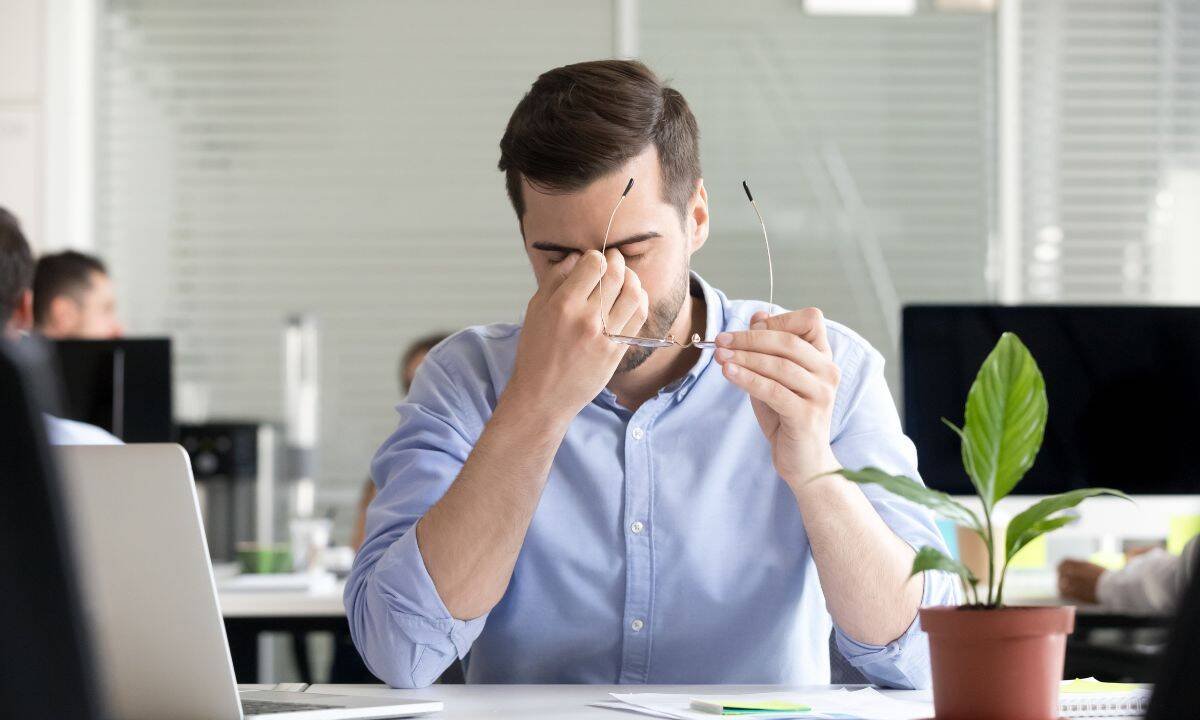
There is a reason people say that eyes are the windows to the soul because they are how we see the world. So if they get damaged, you are out of luck, and your windows might forever be shut. But no worries, with just a few simple tips, you can take good care of them and keep looking out into the world.
We made a list of 10 ways to care for your eyes, covering various methods like eating properly, wearing glasses, and doing eye exercises.
10 Ways to Take Care of Your Eyes
1. Regular Eye Exams
One of the foundational pillars of eye care is scheduling routine eye exams. These exams detect refractive errors and help identify potential issues before they become serious. Experts recommend an eye check-up every two years for adults and more frequently for those with existing eye conditions.
2. Proper Nutrition for Eye Health
Like any other part of your body, your eyes benefit from a balanced diet. Foods rich in vitamins E and C, zinc, omega-3 fatty acids, and lutein promote eye health. Including leafy greens, fish, nuts, and citrus fruits in your diet can contribute significantly to maintaining good vision.
3. Protective Eyewear
Protecting your eyes from bad UV rays and potential injuries is crucial. Invest in quality sunglasses that block UVA and UVB rays. Additionally, wearing protective eyewear can prevent accidents and long-term damage for certain activities or professions.
4. Reduce Screen Time
In the digital age, prolonged screen time is almost inevitable. However, it has its share of challenges, including digital eye strain. To ease this, try the 20-20-20 trick: every 20 minutes, give yourself a 20-second break and gaze at something around 20 feet in the distance. This easy routine can really cut down on eye strain.
5. Hydration for Eye Moisture
Keeping yourself well-hydrated doesn’t just help your overall health; it’s also good for your eyes. Dehydration can lead to dry eyes and discomfort. Try to sip on at least eight glasses of water daily to ensure your eyes stay nicely moisturized.
6. Eye Exercises
Much like any other muscle, your eye muscles benefit from exercise. Easy eye exercises, like rolling your eyes, concentrating on a moving object, or palming, can keep your eye muscles flexible and stop things like eye fatigue.
7. Adequate Sleep
Your eyes need sufficient rest to function optimally. Lack of sleep can lead to eye twitching, dry eyes, and blurred vision. Establish a consistent sleep routine, ensuring you get 7-9 hours each night.
8. Quit Smoking
Smoking is not only detrimental to your lungs but also to your eyes. It increases the risk of macular degeneration, cataracts, and optic nerve damage. Quitting smoking can significantly improve your overall eye health.
9. Manage Chronic Conditions
Certain systemic conditions, like diabetes, can impact your eyes. Managing these conditions through medication, lifestyle changes, and regular check-ups can prevent or slow the progression of eye-related complications.
10. UV Protection
Shielding your eyes from damaging UV rays is crucial for preventing conditions like cataracts and macular degeneration. Invest in sunglasses that block 100% of UVA and UVB rays, and wear them consistently when exposed to sunlight.
Further Reading: 10 Tips To Protect Your Eyes from This Winter
Maintain a Clean Environment
A clean environment ensures your eyes are well protected and can help keep them healthy. Allergens are one of the main problems contributing to poor eye health and can be anywhere in your surroundings. Here are some simple ways you can maintain a clean and take care of your eyes:
Dust and Allergen Removal
Dust and allergy triggers floating in the air might irritate and make your eyes uncomfortable. Regularly cleaning surfaces, especially in living and working spaces, is crucial. Use microfiber cloths to dust surfaces, vacuum carpets, and upholstery regularly, and consider using air purifiers to minimize airborne particles.
Proper Ventilation
Good airflow is essential for keeping your indoor space clean. Air that doesn’t move can trap stuff that might bother your eyes. Ensure air flows well by opening windows often, using fans that blow air out, and getting systems that help the air move around. This helps keep things feeling fresh and clean inside.
Regular Cleaning of Bedding and Linens
Bedding and linens can gather tiny dust mites and things that make you sneeze over time. Wash your sheets, pillowcases, and curtains often with hot water to eliminate these possible annoyances. If you use pillows and mattress covers that are hypoallergenic, it can also lower the chance of having allergic reactions.
Avoiding Harsh Cleaning Chemicals
Keeping things clean is essential, but strong cleaning chemicals can bring in things that bother your surroundings. Choose gentle and eye-friendly cleaning solutions. Also, make sure there’s good airflow when cleaning to lessen the chance of breathing in fumes that might harm your eyes.
Pet Dander and Allergies
Pets make great friends, but they can bring stuff like pet dander that might cause allergies. If you’re allergic, try to limit how much you touch your pets, especially in places where you hang out a lot. Keeping your pets clean by grooming them and cleaning their spots regularly can also lower allergens.
Balancing Light Levels
Optimal lighting is essential for various activities. Ensure proper lighting when reading, working on a computer, or engaging in visually demanding tasks. Avoiding glare and adjusting light levels can reduce eye strain.
Mindful Use of Eye Drops
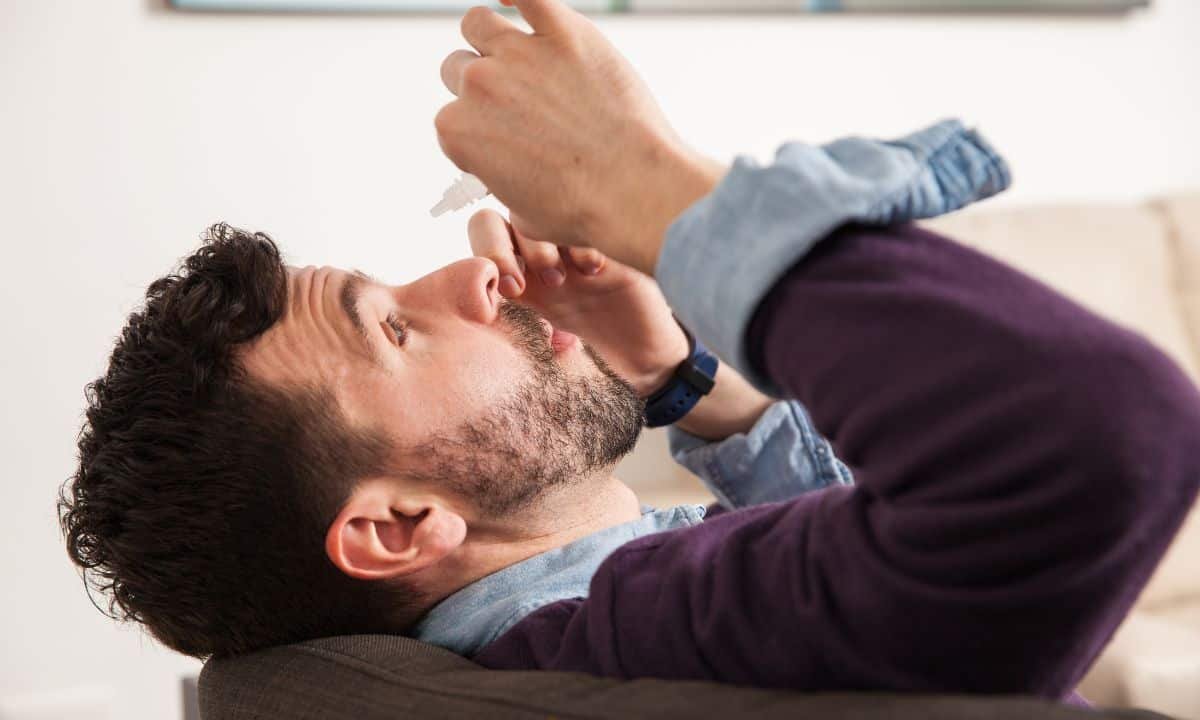
Taking good care of your eyes involves being mindful of how you use eye drops. These tiny bottles of liquid can be super helpful. Still, using them correctly is essential to keep your eyes happy and healthy.
Why Eye Drops Matter
Eye drops can be like magic for your eyes. They help with dryness, irritation, and other discomforts. However, using them mindfully is crucial to get the best results.
Choosing the Right Eye Drops
Not all eye drops are created equal. There are different types of eye issues. Some relieve redness, while others moisturize dry eyes. Make sure to pick the one that matches your needs. Checking with an eye care professional is always a good idea if you need more clarification.
The Right Technique
Here’s the trick: tilt your head back a bit, look up, and pull down your lower eyelid. This creates a little pocket for the drops. Hold the bottle but not too close, and let the drops fall gently into the pocket. Blink a few times to make sure the drops spread evenly.
Avoiding Overuse
While eye drops are fantastic, using them too much can have the opposite effect. It might make your eyes dependent on them. Follow the recommended dosage, and if you feel you need them frequently, check in with an eye care professional.
Don’t Share Drops
Sharing is caring, but not when it comes to eye drops. Using someone else’s drops can spread infections or cause reactions. Stick to your own, and if someone needs eye drops, encourage them to get their own bottle.
Conclusion
Making these ten habits a part of your everyday routine helps keep your eyes healthy. Remember, caring for your eyes is an investment in your overall well-being. Stay proactive, get regular check-ups, and embrace these habits for a lifetime of clear and healthy vision.
Further Reading: The Importance of Quality Lenses in Your Eyewear
FAQs
Q. How often should I get my eyes checked?
Experts recommend an eye check-up every two years for adults and more frequently for those with existing eye conditions.
Q. Do I really need to wear sunglasses every time I go outside?
Wearing sunglasses blocking UVA and UVB rays is essential to shield your eyes from the not-so-friendly UV radiation.
Q. Can eye exercises improve my vision?
While they may not directly improve vision, eye exercises can help maintain flexibility and prevent conditions like eye fatigue.
Q. Is it true that smoking can affect my eyesight?
Yes, smoking increases the risk of macular degeneration, cataracts, and optic nerve damage.
Q. How can I ensure good lighting for different activities?
Adjust lighting levels based on the activity, avoid glare, and ensure proper illumination for tasks like reading or working on a computer.


