

Blog
Best Natural-Looking Contact Lens for Black Eyes (Color Guide)

If you have black eyes and you have been thinking about trying colored contact lenses, you have probably already run into one frustrating problem. You pick a color that looks gorgeous in the product photos, you try it on, and it either barely shows up or looks obviously fake. It is one of the most common complaints from people with dark eyes, and it makes a lot of people give up on colored lenses altogether before they even really get started.
Here is the thing, though. The problem is rarely the color itself. It is about knowing which shades actually work on dark eyes, what to look for in a lens design, and where most people go wrong when making their choice. Once you understand those things, finding the best contact lens for black eyes becomes a lot more straightforward.
At Mehboob Optics, this is a question the team hears from customers all the time. Founded in 1948 by Maqsud Ahmed and his son Zamir Ahmed from a small shop in Patuatuli, Dhaka, Mehboob Optics has spent over 75 years helping people find the right lenses for their specific eyes and features. Today, the fourth generation of the family, Arif and Wasif, run the business with the same commitment to honest, personalized advice that the store was built on. When it comes to colored contact lenses for dark eyes, they know exactly what works and what does not.
This guide covers everything you need to make the right choice, from which colors actually show up on black eyes, to what makes a lens look natural versus fake, to the mistakes most people make when buying for the first time.
Why Black Eyes Make Colored Lenses Tricky
Before we get into colors and recommendations, it helps to understand why dark eyes are a different challenge compared to light eyes.
Your iris, the colored ring around your pupil, is packed with natural pigment. The darker your eyes, the denser that pigment is. When you place a colored contact lens over a dark iris, the lens has to be strong enough in color and opacity to actually show up against that darkness.
This is why the type of lens matters so much. There are two main categories of colored lenses: enhancement lenses and opaque lenses. Enhancement lenses are designed to deepen or intensify whatever color is already in your eye. They are great for people with light eyes, but they are basically invisible on dark eyes. The dark pigment simply overpowers the tint.
Opaque lenses are completely different. They have a solid colored layer built into the design that blocks your natural iris color and replaces it with the color of the lens. These are the only types that work for contact lenses for brown eyes or black eyes.
The challenge with opaque lenses is that if the design is not good, they can look flat, printed, or obviously artificial. Getting a natural result depends on lens quality, design, color choice, and fit. All four of those things matter.
Colors That Actually Show Up on Black Eyes
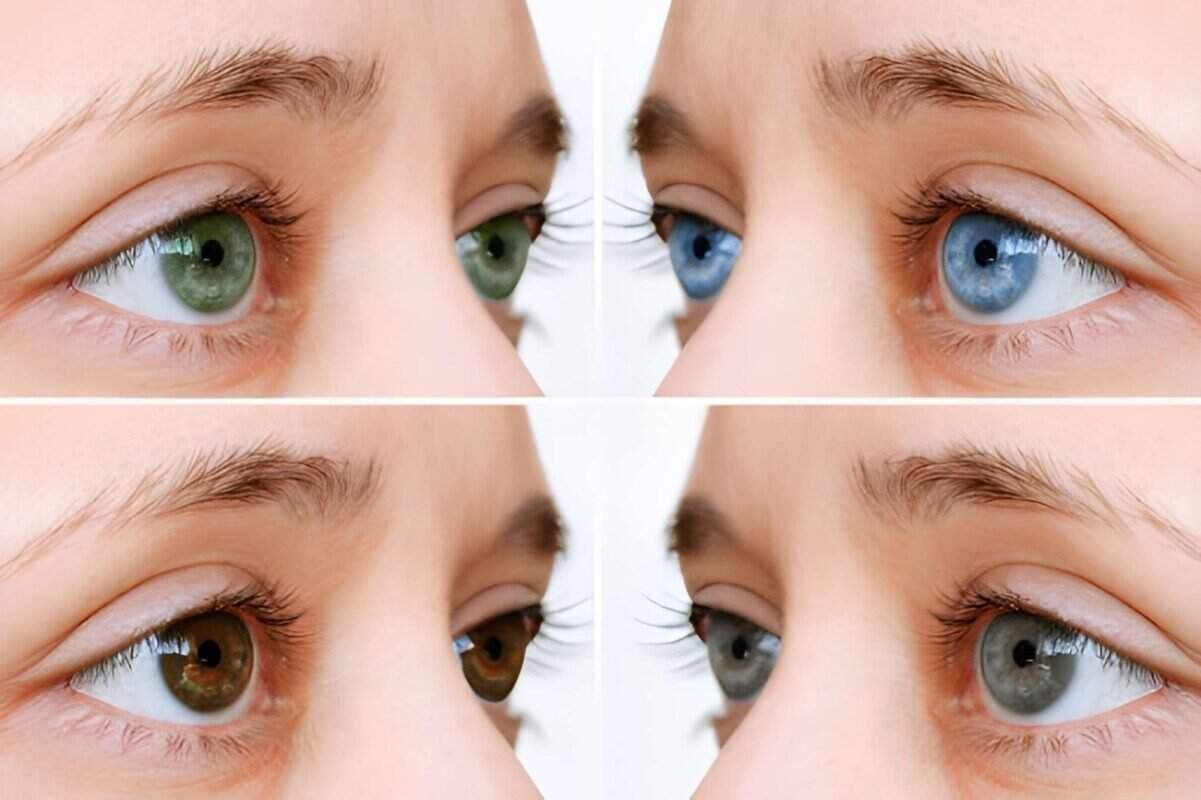
Not every color looks the same on dark eyes. Some shades are a natural fit, while others are much harder to pull off. Here is an honest breakdown of the most popular options.
Brown and Honey Tones
This might be the last color you would think to try when your eyes are already dark, but warm honey and light chestnut brown lenses are actually some of the most stunning natural-looking contact lenses for dark eyes. The reason they work so well is that the difference between your natural very dark iris and a warm amber or honey tone creates a soft, glowing contrast that looks completely believable.
People notice that your eyes look different, but they usually cannot immediately tell why. That kind of subtle transformation is exactly what most people are going for when they say they want a natural look. If you have never tried colored lenses before, starting with a honey or warm brown shade is a great first step.
Grey Lenses
Grey is consistently one of the most popular color contacts for black eyes, and it is easy to understand why. A soft, medium grey lens on dark eyes creates a look that is striking but still completely believable. Grey eyes exist naturally in the world, so your brain registers the color as something it has seen before, which is a big part of why grey lenses tend to read as more realistic than some other colors.
The important thing with grey is to avoid shades that are too pale or too silvery. Those create an extreme contrast against very dark eyes that look more intense than natural. A warm grey, a cool charcoal, or a grey with slight blue or green undertones tends to look much more realistic and flattering.
Hazel Lenses
Hazel might be the single best option for anyone who wants something noticeably different but still completely natural-looking. Real hazel eyes have a mix of brown, green, and gold in them, and a well-made hazel lens replicates that complexity with a multi-tonal pattern. On dark eyes, that depth of color and texture looks genuinely beautiful and realistic.
Hazel also has the advantage of being extremely versatile. It complements a wide range of skin tones, it works in almost any lighting, and it creates just enough of a change that people will notice without immediately knowing you are wearing colored lenses. For natural contact lenses for dark eyes, hazel is one of the top choices.
Green Lenses
Green is where things start getting a little more dramatic. A true bright green lens on very dark eyes is noticeable. It can look beautiful, but it is harder to make it look completely natural. If natural is your goal with green, the trick is to go for olive, sage, or a muted forest green rather than a bright emerald or vivid green.
Darker, earthier green tones have more in common with the shadows and depth of a dark iris, so they blend more convincingly. Bright or saturated greens on dark eyes almost always look obviously like contacts, so if you are aiming for subtle, those are best left for later when you are more comfortable experimenting.
Blue Lenses
Blue is probably the most requested color of all, and also the one that requires the most careful approach on dark eyes. A vibrant sky blue or electric blue on very dark eyes creates a contrast that almost everyone immediately recognizes as colored contacts. Again, that is not a problem if you want a bold look, but it is not going to pass as natural.
If you want blue that looks more believable, go for a deep navy, a slate blue, or a smoky blue-grey. These darker, cooler shades feel more connected to the depth and shadow of a dark iris rather than sitting on top of it, looking completely foreign.
How to Choose the Best Color Contacts for Dark Eyes

Knowing which colors work is just one part of the process. Here are the other things that determine whether a lens looks natural or fake on your specific eyes.
The Iris Pattern and Texture Inside the Lens
This is probably the most important factor of all, and it is the one most people overlook when buying their first pair. Real eyes are not a flat, solid circle of color. Your iris has fibres, spokes, rings, and subtle gradients that give it depth and dimension. A good colored lens replicates that texture.
When you are looking at the best color contacts for dark eyes, zoom in on close-up images and look at the pattern inside the colored area. Does it look like a real iris with layers and texture, or does it look like a flat printed disk of color? The difference between a lens that looks real and one that looks fake usually comes down to this design quality more than anything else.
The Limbal Ring
The limbal ring is the dark outer edge that defines the border of the iris. Most colored lenses have this built into the design. A well-defined limbal ring makes the lens look more realistic because it mimics what natural eyes actually have. It also makes your eyes look slightly larger and more defined.
The thing to watch out for is a limbal ring that is too thick or too sharp. That creates an obvious, artificial-looking border. The best lenses have a limbal ring that fades gradually into the iris pattern rather than sitting as a hard line.
Diameter and Fit
Colored lenses come in different sizes. A standard diameter of around 14.0mm to 14.5mm looks closest to a natural iris size. Lenses above 15mm start to look noticeably oversized, which immediately signals to people that something is different about your eyes.
Fit also matters enormously for comfort. A lens that does not fit your eye properly will move around, feel irritating, and look off-center. This is why it is always important to get properly fitted by an optician before buying, even if you do not need any vision correction.
Match the Color to Your Skin Tone
Different shades complement different skin tones, and this absolutely applies to contact lenses. Here is a simple way to think about it.
For skin with warm, golden, or brown undertones, warm honey, hazel, and warm chestnut brown will look the most natural and harmonious on your face.
Those with a deeper or richer dark complexion can choose a lighter hazel or cool grey to create a beautiful contrast that still looks believable and incredibly striking.
People with a medium or olive skin tone have a lot of flexibility, as hazel, green, and warm grey all tend to work really well.
Tips for Wearing Colored Lenses Comfortably
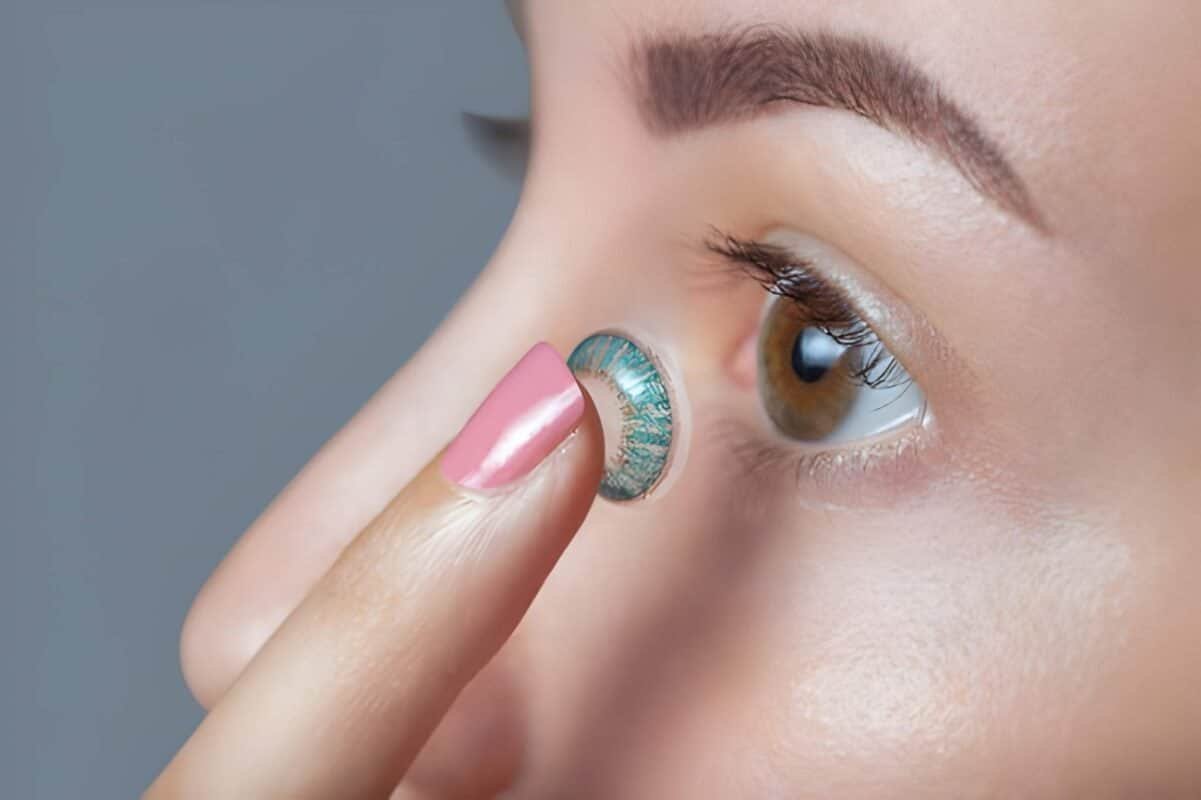
Getting the look right is one thing. Making sure your lenses feel good throughout the day is equally important.
Always get a proper prescription and fitting from an eye doctor before buying contact lenses, even if you have perfect vision and are buying zero-power lenses. Contact lenses are medical devices, and a poor fit can cause real damage over time.
When you first get a new pair of colored lenses, start by wearing them for just a few hours and build up gradually. Your eyes need time to adjust.
Use rewetting drops during the day if your eyes start feeling dry. Make sure the drops are labeled as safe for use with contact lenses.
Never sleep in your colored lenses. This applies to any contact lens but is especially important for colored lenses, which tend to allow less oxygen through than regular daily lenses.
Always remove your lenses before swimming, showering, or washing your face.
Common Mistakes to Avoid
A lot of people make the same errors when they start exploring natural-looking contact lenses for dark eyes. Here is what to watch out for.
Buying based on how lenses look on light eyes. Many brands photograph their products on light-colored eyes because the color shows up more dramatically. Always look for photos of the specific lens on dark or black eyes before you buy. The result can be completely different.
Going for a very light color straight away. Jumping directly to a bright sky blue or pale grey as your very first pair is a big contrast to get used to. Starting with something closer to your natural tone, like honey or warm hazel, helps you ease into the experience and gives you a better chance of loving the result.
Buying low-quality lenses online. There are a lot of very cheap colored lenses available from unknown sellers. Poor quality color contacts for black eyes use low-grade pigments and materials that are not just uncomfortable but can genuinely damage your eyes. Always buy from a trusted optical store or reputable brand.
Sharing lenses with friends. Even trying on a friend’s lens for a minute can transfer bacteria and cause serious eye infections. Lenses are for one person only.
Skipping the care routine. Colored lenses need the same daily cleaning and care as regular contact lenses. Rub and rinse with fresh solution each night, store in a clean case with fresh solution, and replace on schedule.
A Trusted Name for Quality Contact Lenses in Dhaka: Mehboob Optics
Choosing the right colored contact lenses takes a little guidance, especially when you have dark eyes and want results that actually look natural. That is exactly the kind of help that Mehboob Optics has been offering to the people of Dhaka since 1948.
What started as a small shop in Patuatuli under the guidance of Maqsud Ahmed and his son Zamir Ahmed grew into one of the most trusted optical names in the city. In the early years, Zamir Ahmed brought advanced lens-making technology from Singapore and built a team that could deliver quality most people in the region had never seen before. The business expanded to Green Road in 1977 and has continued growing ever since.
Today, Arif and Wasif, the fourth generation of the family, run Mehboob Optics with the same honesty, craftsmanship, and care that the store was built on. Whether you need a proper fitting, honest advice on which color will actually suit your eyes, or a trusted source for quality colored contact lenses for dark eyes, the team is ready to help.
Visit Mehboob Optics to explore their full range of contact lenses and find the pair that is going to make your eyes look exactly how you have always imagined.
Final Thoughts
Finding the best contact lens for black eyes is not about picking the most popular color or the prettiest packaging. It is about understanding how dark eyes interact with colored lenses, what makes a design look natural versus fake, and which shades genuinely complement your features.
Start with a quality opaque lens in a warm honey, hazel, or soft grey. Look for a realistic iris pattern with texture and a blended limbal ring. Get properly fitted before you buy, always purchase from a trusted source, and take care of your lenses the right way every single day.
Do that, and you will find a pair that does not just change how your eyes look but makes you feel completely confident every time you catch your reflection.


