


Blog
How to Care for and Clean Your Eyeglasses Properly


If you wear glasses every day, understanding how to care for and clean your eyeglasses properly is essential for maintaining clear vision and extending the lifespan of your lenses and frames. Eyeglasses are exposed to dust, sweat, skin oils, pollution, and accidental handling throughout the day. Without proper cleaning habits, lenses can become scratched, coated surfaces may deteriorate, and visual clarity can gradually decline.
Many people unknowingly damage their glasses by wiping dry lenses with clothing or using harsh household cleaners. While this may seem harmless, it can cause micro-scratches and weaken protective coatings over time. Developing a simple but correct cleaning routine ensures your eyewear stays comfortable, clear, and durable for years.
Why Proper Eyeglass Care Is Important
Taking care of your glasses is not only about appearance. Clean lenses provide sharper vision, reduce eye strain, and maintain coating performance such as anti-reflective or UV protection layers. Proper maintenance also prevents unnecessary repair or replacement costs.
When you follow the correct methods consistently, your eyeglasses remain hygienic, scratch-free, and structurally stable.
Daily Maintenance Habits
Daily care begins with mindful handling. Always wash and dry your hands before touching your glasses. Oils and dirt from your fingers can easily transfer to the lenses and cause smudging.
When not in use, store your glasses in a sturdy protective case. Leaving them exposed on tables or placing them lens-down increases the risk of scratches. Avoid putting your glasses on top of your head, as this can loosen the frame alignment over time.
Small daily habits play a major role in preserving lens clarity and frame durability.
The Right Way to Clean Your Eyeglasses
Knowing how to care for and clean your eyeglasses properly means following a safe and consistent cleaning process. Start by rinsing your glasses under lukewarm running water. This step removes dust particles that could otherwise scratch the surface during wiping. Avoid hot water, as excessive heat may damage special lens coatings.
Apply a small drop of mild, lotion-free dish soap to each lens and gently rub both sides using your fingertips. Clean the nose pads and frame areas where oil buildup is common. Rinse thoroughly to remove all soap residue, then dry the lenses using a clean microfiber cloth.
Microfiber cloths are ideal because they trap oils and debris without scratching. However, they should be washed regularly with mild detergent and allowed to air dry.
Avoiding Common Cleaning Mistakes
Many lens problems are caused by improper cleaning habits. Using clothing, tissues, or paper towels can create fine scratches because these materials often contain rough fibers. Household glass cleaners are also unsafe, as they may contain chemicals like ammonia that can damage lens coatings.
Saliva should never be used to clean lenses, and attempting to buff out scratches usually makes them worse. Preventing damage is always easier than fixing it.
Protecting Your Lenses from Scratches
Scratches can reduce clarity and make glasses uncomfortable to use. The best prevention method is proper storage and gentle handling. Always rinse lenses before wiping them to remove abrasive particles.
If minor scratches appear, DIY solutions may provide temporary improvement, but they rarely restore full clarity. For noticeable damage, it is best to consult an optician for professional advice.
Professional Cleaning and Adjustments
Even with proper at-home care, professional maintenance can improve the longevity of your glasses. Optical stores often use ultrasonic cleaning machines that remove deep-seated dirt from hard-to-reach areas. They can also inspect screws, adjust frame alignment, and ensure your glasses sit correctly on your face.
Periodic professional check-ups complement your daily routine and help maintain optimal performance.
Caring for Special Lens Coatings
Modern eyeglasses often come with anti-reflective coatings, blue-light filters, or photochromic lenses. These advanced coatings require gentle cleaning methods. Always use alcohol-free cleaners approved for coated lenses, and avoid abrasive materials that could weaken the surface treatment.
Following manufacturer guidelines ensures these features continue to function effectively.
Eyeglass Cleaners and Cleaning Cloths
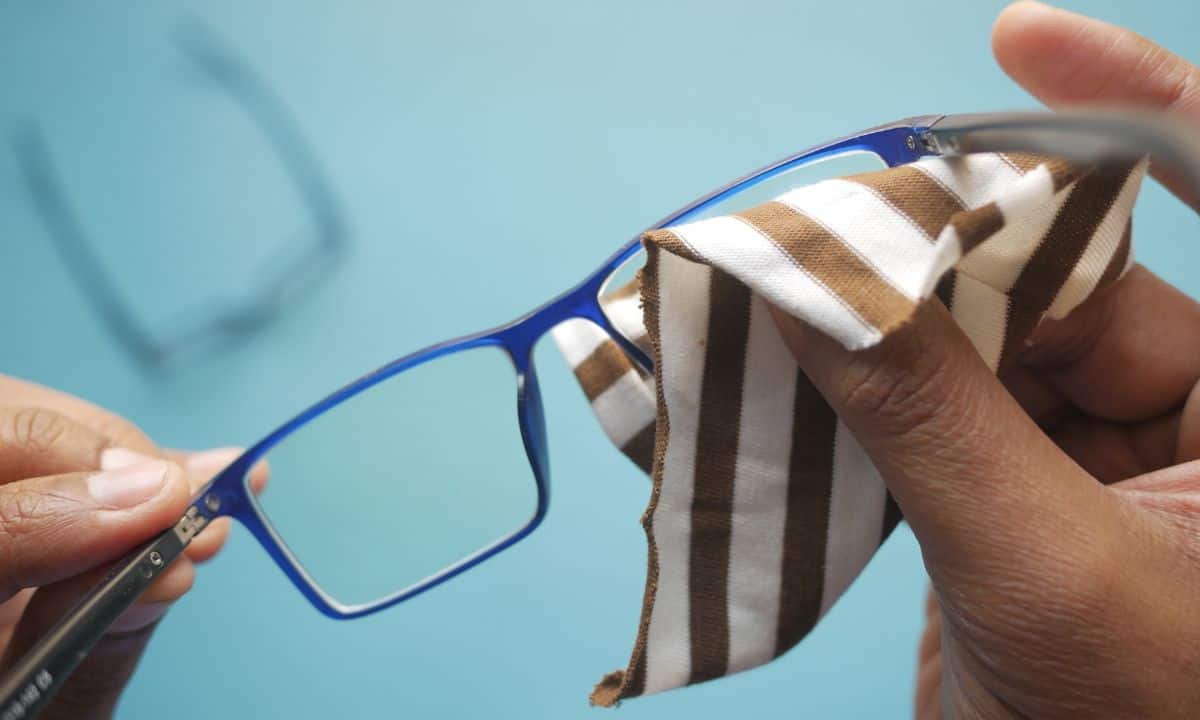
Spray eyeglass lens cleaners are available where you purchase your glasses and at your local drug or discount store. These can be helpful if you are traveling or don’t have dishwashing soap and clean tap water available.
If tap water isn’t available, use plenty of the spray eyeglass cleaner to flush away dust and other debris from your lenses before wiping them dry.
If your lenses have anti-reflective (AR) coating, make sure the eyeglass cleaner you choose is approved for use on anti-reflective lenses.
When using disposable lens cleaning wipes, first inspect the lenses for dust or debris. To avoid scratches, blow any debris off the lenses before wiping them.
Microfiber cleaning cloths are ideal for cleaning glasses. These cloths dry the lenses very effectively and trap oils to avoid smearing.
But because they trap debris so effectively, make sure you clean the cloths frequently. Hand-wash the cloth using lotion-free dishwashing liquid and clean water; allow the cloth to air dry.
Further Reading: Crizal Lens VS. Normal Lens
Conclusion
In conclusion, caring for and cleaning your eyeglasses properly is a holistic process that involves daily maintenance, the use of appropriate tools and materials, and an understanding of how to address common issues. By following the tips outlined in this guide, you not only enhance the longevity and performance of your eyeglasses but also ensure that you always experience optimal clarity of vision. Remember, regular professional care complements your at-home efforts, providing a comprehensive approach to eyewear maintenance. So, make these practices a part of your routine, and you’ll enjoy clear and crisp vision through your well-cared-for eyeglasses.


