


Blog
Contact Lens Prices in BD: Daily vs Monthly Costs Explained

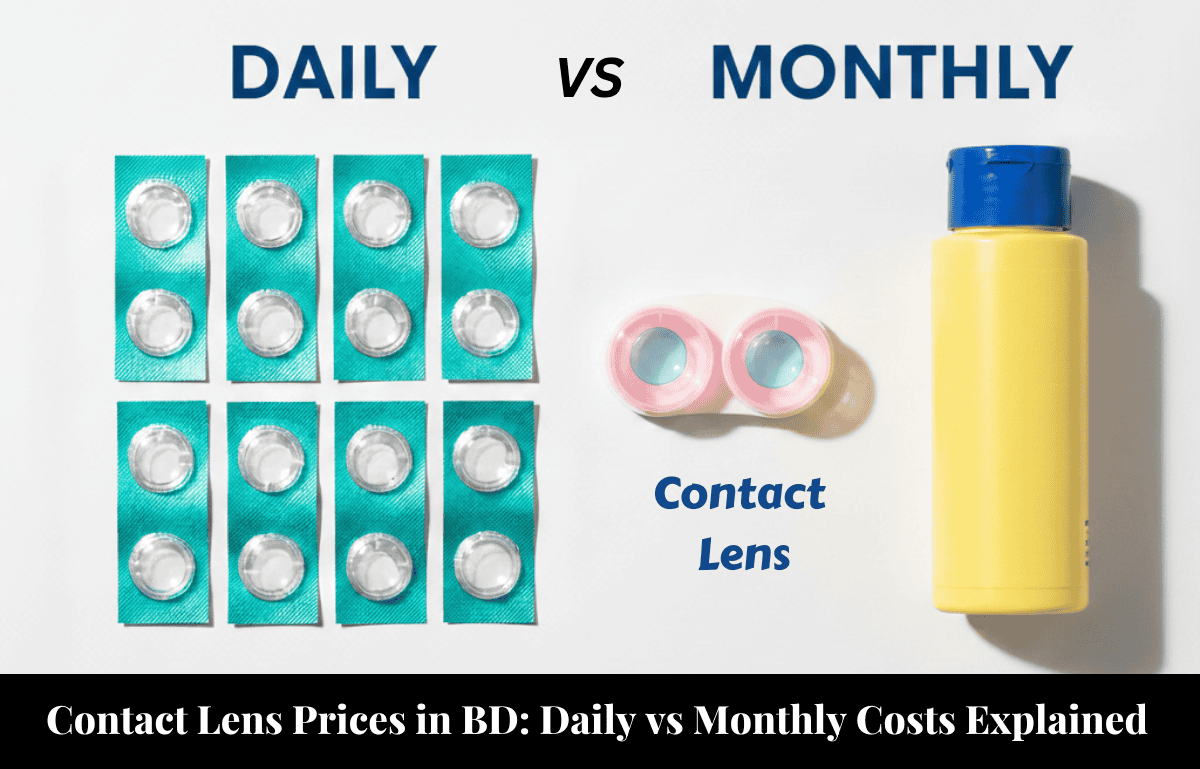
So you want to try contact lenses but have no idea how much they actually cost in Bangladesh? You’re not alone. A lot of people are curious about contact lens prices in BD, but find it hard to get clear, honest information in one place.
Some shops quote prices that seem too good to be true. Others seem extremely expensive for what they offer. And then there’s the confusing part: daily lenses, monthly lenses, colored lenses, branded lenses. What’s the difference? Which one fits your lifestyle? Which one is actually cheaper in the long run?
This guide breaks it all down in simple language. No confusing medical terms, no vague estimates. Just honest, practical information about what contact lenses cost in Bangladesh, what affects the price, and how to choose the right option for your budget and daily life.
Average Contact Lens Prices in Bangladesh
Before comparing types, let’s get a general idea of what you’ll typically pay in Bangladesh. Keep in mind that prices can vary between shops, cities, and brands. These are general ranges to help you plan.
Daily Disposable Lenses
Daily lenses are single-use lenses that you wear once and throw away. A box typically contains 30 lenses, which means 30 days of wear if you use one eye per day, or 15 days if you wear lenses in both eyes daily.
In Bangladesh, a box of daily lenses from a recognized brand usually costs somewhere between 1,500 taka and 3,500 taka, depending on the brand and where you buy. Premium brands like Acuvue cost more than lesser-known alternatives.
For both eyes every single day, you’ll go through roughly two boxes per month, which puts your monthly spend in the range of 3,000 to 7,000 taka just for lenses.
Monthly Disposable Lenses
Monthly lenses are designed to be worn daily and replaced every 30 days. A box usually contains one pair (two lenses) or sometimes three pairs.
A single pair of monthly lenses from a trusted brand generally costs between 800 taka and 2,500 taka in Bangladesh. For one month of both eyes, that’s one pair, so you’re looking at 800 to 2,500 taka per month for the lenses themselves.
Colored Contact Lenses
Colored lenses, whether prescription or cosmetic, have a slightly different price range. Popular brands like Bella and Dahab, which are widely available in Bangladesh, typically cost between 1,000 taka and 2,500 taka per pair for monthly wear.
International colored lens brands or specialty shades can cost more. Some colored lenses go up to 4,000 or 5,000 taka per pair, depending on the brand and type.
Branded International Lenses
Branded contact lens prices in Bangladesh from globally recognized companies like Johnson and Johnson (Acuvue), Bausch and Lomb, or Alcon (Air Optix) are higher than local or less-known alternatives. You’re paying for research, consistent quality, and better materials.
These brands generally cost 30 to 80 percent more than cheaper alternatives, but the quality difference is often noticeable, especially in comfort and oxygen permeability.
Daily vs Monthly Contact Lenses
This is the most important comparison for most buyers. Daily and monthly lenses both correct your vision, but they work very differently and have very different price structures.
The Cost Comparison
At first glance, daily lenses seem expensive because each box costs more than a pair of monthly lenses. But the real comparison needs to look at monthly spending.
Let’s do a simple calculation. If you wear daily lenses every day for both eyes, you need about 60 lenses per month (30 days multiplied by 2 eyes). A box of 30 dailies costs roughly 1,500 to 3,000 taka, so you need two boxes. That means 3,000 to 6,000 taka per month on lenses alone.
For monthly lenses, you need one pair per month. Cost: 800 to 2,500 taka. Plus lens solution costs another 300 to 600 taka per month. Total: roughly 1,100 to 3,100 taka per month.
So monthly lenses typically cost 30 to 60 percent less per month than daily lenses when you add everything up. This is why most regular contact lens wearers in Bangladesh prefer monthly options.
However, if you only wear lenses a few days per week, not every single day, the calculation changes. Three days per week means about 24 to 26 lens days per month instead of 60. Suddenly, dailies become more affordable relative to monthly lenses.
Comfort Comparison
Daily lenses offer fresh lenses every single day. There’s no protein buildup, no accumulated deposits from previous wear. Many people find fresh daily lenses feel noticeably more comfortable, especially people with sensitive or dry eyes.
Monthly lenses accumulate small amounts of protein and debris from your eyes over time, even with daily cleaning. By the third or fourth week, some users notice their monthly lenses feel slightly less comfortable than fresh ones.
However, premium monthly lenses with good moisture-retention technology can stay comfortable for most of the month with proper care.
Convenience
Daily lenses win on convenience without question. You open a new pack every morning and throw everything away at night. No cleaning routine, no solution, no storage case. If you travel, you don’t need to pack lens solution or worry about your case.
Monthly lenses require a nightly routine. You must clean them with a solution, rub them gently, and store them in a fresh solution every night. It takes 5 minutes, but it must be done every single day without skipping.
For busy students or people who know they might sometimes forget the cleaning routine, dailies reduce risk because there’s nothing to forget.
Hygiene
Daily lenses are inherently more hygienic because you never reuse them. There’s no chance of bacterial buildup from improper storage or incomplete cleaning.
Monthly lenses can become hygiene risks if not cared for properly. Using an old solution, forgetting to rub the lens, using a dirty case, or wearing monthly lenses beyond 30 days increases infection risk significantly.
People with proper habits manage monthly lenses safely with no problems. But if you’re the type who might cut corners on the cleaning routine, dailies are genuinely the safer choice for your eye health.
Monthly Contact Lens Price in BD Breakdown
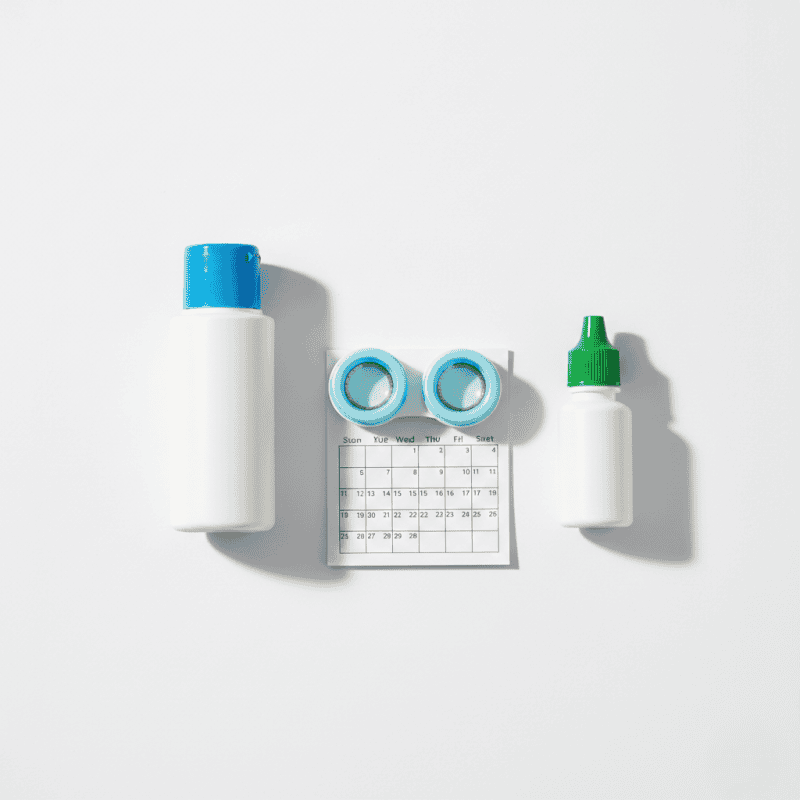
Since monthly lenses are the more popular choice in Bangladesh due to cost, let’s look at the total monthly cost of lens prices in bd more carefully.
The Lens Cost
One pair of monthly lenses per month. Depending on the brand:
Budget options from lesser-known brands might cost as little as 500 to 800 taka per pair. Mid-range options from trusted local suppliers typically run 800 to 1,500 taka. Premium international brands like Air Optix or Bausch and Lomb fall between 1,500 and 2,500 taka per pair.
Lens Solution
This is a cost many people forget to include when budgeting for monthly lenses. Contact lens solution is not optional. You must use it every night.
A standard 360ml bottle of lens solution costs roughly 300 to 600 taka in Bangladesh. This typically lasts three to four weeks with daily use. So budget approximately 300 to 600 taka per month for the solution.
Lens Case
Your lens case needs regular replacement. Using the same case for months on end is a hygiene risk because bacteria can build up in the case even with regular rinsing.
A replacement case usually costs just 50 to 150 taka, and some solution bottles include a free case. Still, factor in occasional replacement costs.
Eye Checkup Costs
A proper eye examination before starting contact lenses typically costs 300 to 1,500 taka, depending on the clinic or optical store. This is a one-time setup cost but needs to be repeated roughly once a year, as your prescription might change.
Skipping the eye checkup to save money is shortsighted. The wrong prescription or an undetected eye condition can cause serious problems.
Total Monthly Cost for Monthly Lenses
Adding everything up for monthly lenses:
Budget route: approximately 1,100 to 1,500 taka per month. Mid-range route: approximately 1,500 to 2,500 taka per month. Premium brand route: approximately 2,500 to 4,000 taka per month.
This is significantly more affordable than daily lenses for regular wearers, which is why the monthly contact lens price in bd attracts so many buyers.
Colored Contact Lens Price BD
Colored lenses deserve their own section because they’re hugely popular in Bangladesh, particularly among young women, students, and fashion-conscious buyers.
Who Uses Colored Lenses
Colored lenses serve two groups. People who want to change or enhance their eye color for cosmetic reasons, whether they need vision correction or not. And people who need prescription lenses and want color enhancement at the same time.
You can get colored lenses even if your vision is perfect. These are called plano lenses (zero power). You can also get prescription colored lenses if you need vision correction.
Popular Colored Lens Brands in Bangladesh
Bella and Dahab are by far the most popular colored contact lens brands in Bangladesh. Both originate from Saudi Arabia and have developed specifically for South Asian and Middle Eastern complexions, which means their colors look natural on darker eyes and skin tones.
Colored contact lens price BD for these brands generally runs between 1,000 and 2,500 taka per pair for monthly lenses.
FreshLook by Alcon is another popular option. It tends to cost slightly more, usually 1,500 to 3,500 taka per pair, but it is from a globally trusted brand.
Some specialty colored lenses with more dramatic effects or less common colors can cost even more.
Things to Know About Colored Lens Pricing
The color and shade affect price. Standard grey, brown, or hazel tones are usually more affordable. Special edition colors or less common shades cost more.
The same hygiene and care rules apply to colored lenses as to clear lenses. Some people treat colored lenses as accessories rather than medical devices, which is a mistake regardless of price.
Colored lenses from unknown brands sold in markets or through unverified online sellers might seem cheap but carry real risks. The coloring materials in low-quality lenses can cause eye irritation or worse.
Extra Costs People Often Forget
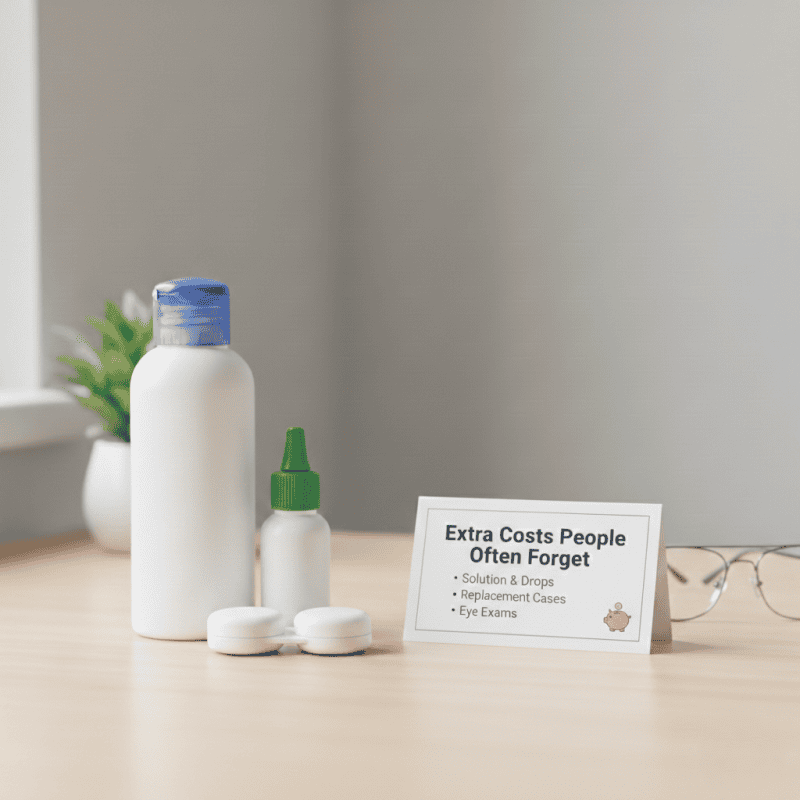
When budgeting for contact lenses, many first-time buyers only think about the lens price. But several additional costs add up over time.
Contact Lens Solution Price BD
As mentioned, the solution is not optional for monthly lens wearers. Standard multipurpose solution from brands like ReNu (Bausch and Lomb), Opti-Free (Alcon), or similar trusted brands typically costs 350 to 600 taka per bottle in Bangladesh.
Contact lens solution price BD varies slightly between pharmacies, optical stores, and supermarkets. Buying in slightly larger bottles often works out cheaper per ml than small bottles.
Never use tap water, saliva, or non-sterile water as a substitute for proper lens solution. This is one of the most dangerous mistakes contact lens wearers make.
Storage Cases
Lens cases should be replaced regularly. Many people use the same case for months without thinking about it. Bacteria colonize cases over time, even when you rinse them. Most optometrists suggest changing your case every one to three months.
Cases are cheap, usually 50 to 150 taka, but remember to include this in your annual contact lens budget.
Eye Drops or Lubricating Drops
Many contact lens wearers, especially those using screens for long hours in Dhaka’s office and school environments, benefit from lubricating eye drops. These reduce dryness and discomfort during wear.
Contact lens-compatible lubricating drops usually cost 150 to 400 taka per bottle. Not everyone needs them, but if you find your lenses feel dry by afternoon, they can make a significant difference in comfort.
Eye Checkups
A yearly eye examination is important even for existing contact lens wearers. Your prescription can change, and wearing old prescription lenses strains your eyes.
Eye checkups at established optical stores or eye clinics cost 300 to 1,500 taka, depending on the thoroughness of the examination and the facilities used.
Annual Total Cost Calculation
When you add everything up for a year:
Monthly lens wearer (mid-range): Approximately 18,000 to 30,000 taka annually, including lenses, solution, cases, and one eye checkup. Daily lens wearer (mid-range): Approximately 36,000 to 60,000 taka annually, higher because of daily lens consumption.
These numbers make clear why monthly lenses dominate the Bangladesh market.
Affordable Contact Lens BD Options
Staying within budget without compromising your eye safety is absolutely possible. Here are realistic ways to do it.
Choose Monthly Over Daily for Regular Wear
If you wear lenses five or more days per week, monthly lenses will almost always be more affordable. This is the single biggest cost-saving decision you can make with affordable contact lens BD choices.
Don’t Always Buy the Cheapest Brand
The temptation to buy the absolutely cheapest lenses is understandable, but very cheap lenses from unknown brands carry risks. You don’t need the most premium international brand to get quality lenses, but avoid brands with no clear manufacturer information or those sold without proper sealed packaging.
Mid-range options from Bella, Dahab, or similar established colored lens brands offer decent quality at accessible prices. For clear prescription lenses, some Bausch and Lomb options provide good value without being the most expensive choice.
Buy in Bulk When Possible
Some optical stores offer small discounts when you buy three to six months of lenses at once. If cash flow allows, this can reduce your per-month cost slightly.
Look for Seasonal Offers
Established optical stores sometimes run promotions during Eid, the New Year, or other occasions. If your current supply is running low near these times, waiting for a sale can save you money without compromising on quality.
Don’t Skip the Eye Test to Save Money
This seems counterintuitive in a section about saving money, but wearing the wrong prescription causes eye strain and headaches. You might end up spending more on visits to doctors or buying replacement lenses. A proper eye test is an investment that saves money long term.
Where to Buy Contact Lenses in Bangladesh
Your buying source matters as much as the brand you choose. Let’s look at the main options.
Online Shops
Buying contact lenses online BD has become increasingly popular. Several platforms sell contact lenses, and the convenience is undeniable.
The advantages: easy price comparison, home delivery, and sometimes lower prices than physical stores.
The risks: storage conditions before delivery are unknown, counterfeit products exist on unverified marketplaces, no professional guidance is available, and returning faulty products can be complicated.
If you buy online, stick to verified sellers with clear product information, visible expiry dates in product images, genuine buyer reviews, and clear return policies. Avoid buying from individual sellers on social media with no verifiable track record.
Pharmacies
Some pharmacies in Dhaka and larger cities carry basic contact lens options. The advantage is convenience. The limitation is that staff usually don’t have optical expertise to help you choose the right option.
Optical Stores
Established optical stores remain the safest and most reliable place to buy contact lenses in Bangladesh. The staff understand products, can answer questions, ensure proper storage of inventory, and provide guidance based on your specific needs.
For example, Mehboob Optics has been serving customers in Dhaka since 1948. Founded by Maqsud Ahmed and expanded with his son Zamir Ahmed, the business opened its Green Road branch in 1977 and is now run by the fourth generation of the family. With over seven decades of optical expertise, their trained staff understands both the technical and practical aspects of contact lens selection.
A contact lens shop in Bangladesh with this kind of multi-generational experience combines modern technology with traditional customer care. When you buy from such establishments, you get more than a product. You get professional guidance on which lens suits your eyes, your lifestyle, and your budget.
This level of expertise is genuinely valuable, especially for first-time contact lens buyers who might otherwise make costly mistakes.
Eye Clinics
Eye clinics and hospitals are another reliable source, particularly if you need prescription lenses. Ophthalmologists can prescribe and sometimes supply lenses directly. This is the most clinical approach and usually the most expensive option.
For those with complex eye conditions or very specific prescription requirements, the clinic route makes the most sense despite higher costs.
How to Choose the Best Contact Lens in Bangladesh
With so many options, how do you actually decide? Here’s a simple decision framework.
Consider Eye Sensitivity
Do you have naturally dry eyes? Do your eyes get red easily? Have you had eye infections or allergies before?
If yes to any of these, you need lenses with higher oxygen permeability. Silicone hydrogel lenses like Air Optix allow significantly more oxygen to reach your eyes compared to basic hydrogel lenses. They cost more but are a better investment for sensitive eyes.
Think About Your Wearing Schedule
How often will you actually wear contact lenses? Every single day? Three times a week? Only for special occasions?
Daily wearers: Monthly lenses offer the best value. Occasional wearers: Daily disposables make more sense. You don’t need to maintain a solution and a case for rare use, and you get fresh lenses each time.
Set a Realistic Budget
Be honest about what you can comfortably afford every month, not just the initial purchase. Include solution costs for monthly lenses. Calculate annual costs to understand the real commitment.
Choose the best contact lens in Bangladesh that fits your budget without going to unknown brands that might compromise your eye health.
Consider Your Daily Environment
Do you work in air-conditioned offices for long hours? Air conditioning reduces humidity and can dry out contact lenses faster. You might need lenses with better moisture retention.
Do you work outdoors in Dhaka’s dust and pollution? Higher oxygen permeability becomes more important. Frequent lens cleaning or switching to daily disposables reduces accumulated environmental debris.
Match Lenses to Your Purpose
Need vision correction only? Clear prescription monthly lenses from trusted brands give good value. Want color enhancement without correction? Plano colored lenses from Bella or Dahab work well. Need both? Prescription colored lenses are available but have fewer brand options and cost slightly more.
Common Buying Mistakes
These are the mistakes that cost people money and cause eye problems.
Buying the Cheapest Available Without Research
The cheapest lenses from completely unknown brands are often cheapest for a reason. Poor quality control, inferior materials, and inadequate oxygen permeability. Your eyes aren’t the place to take unnecessary risks.
Being budget-conscious is smart. Being reckless about quality is not. Stick to brands with clear manufacturer information and available reviews from actual users.
Ignoring Expiry Dates
Every contact lens has an expiry date. This applies to the packaging, not just to how long you’ve worn them. An unopened lens past its expiry date has a degraded packaging solution. The lens material may have changed. Wearing expired lenses is a genuine eye health risk.
Always check expiry dates when buying and when taking lenses out of storage.
Skipping the Eye Test
Many people in Bangladesh skip professional eye tests and just buy lenses based on their glasses prescription or what their friend wears. This is a significant mistake.
Contact lens prescriptions and glasses prescriptions are not the same. They involve different measurements. The base curve (the curvature of the lens) must match your eye’s curvature for comfortable, safe wear.
Getting an eye test feels like an extra expense, but it prevents wearing wrong-fitting lenses that cause daily discomfort and potential long-term problems.
Buying from Unverified Online Sellers
The ease of social media shopping in Bangladesh has created a market for contact lenses sold through Instagram and Facebook pages with no verifiable business information. Some sellers have good products; many do not.
Without the ability to verify storage conditions, product authenticity, or expiry dates, you’re taking real risks with products that go directly on your eyes.
Overwearing Monthly Lenses
Monthly lenses should be replaced after 30 days. Wearing them for 45 or 60 days to save money is risky. Protein deposits build up. Material integrity degrades. The risk of eye irritation and infection increases significantly.
The cost of treating an eye infection far exceeds the savings from stretching lens replacement schedules.
Final Thoughts
Choosing the right contact lens comes down to three things: your lifestyle, your budget, and your eye health.
If you wear lenses daily, monthly options save more money over time. If you wear them occasionally, daily lenses are the cleaner choice. For colored lenses, stick to trusted brands from verified sellers and never compromise on hygiene.
Don’t forget the hidden costs like solution, cases, and eye checkups. These are part of your real budget.
Most importantly, buy from a trusted contact lens shop in Bangladesh where trained staff can guide you properly. Good advice is just as valuable as a good product.
Understanding contact lens price in bd before you buy helps you make smarter choices, protect your eyes, and get real value for your money.


