


Blog
Choosing the Best Contact Lens Solution for Dry Eyes

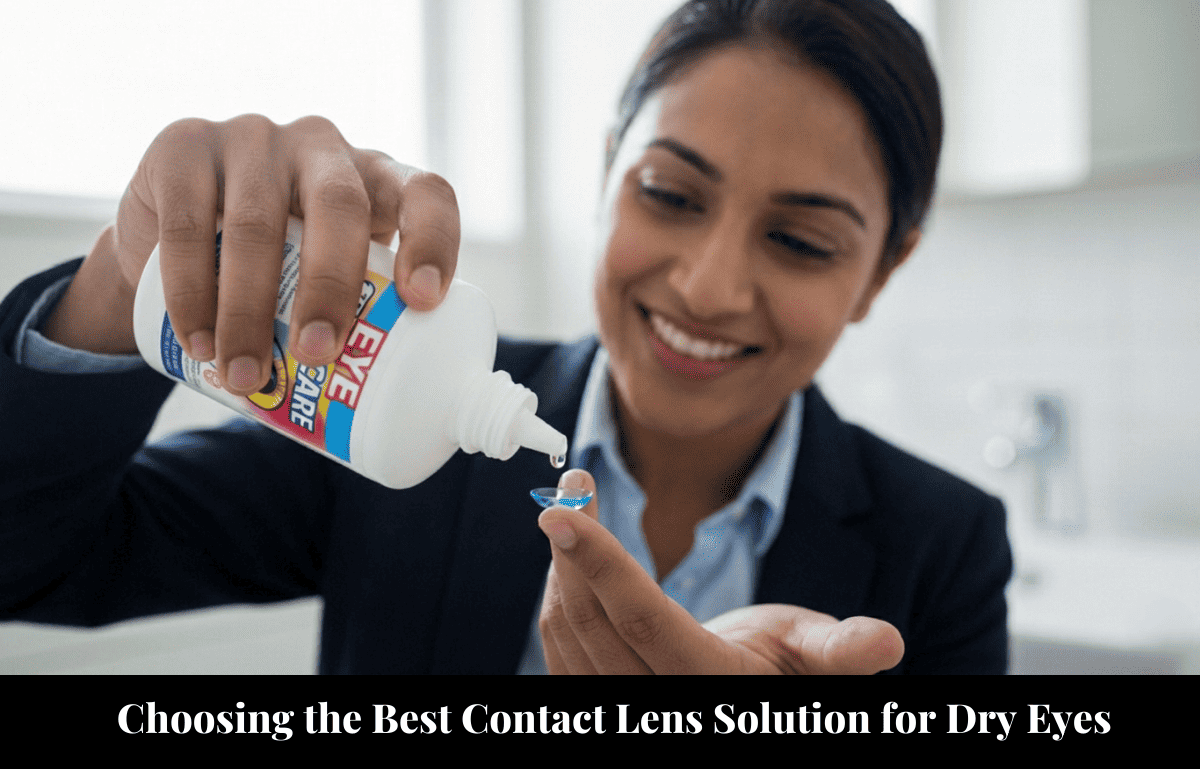
If your eyes feel dry, scratchy, or tired after wearing contact lenses, you’re not imagining it. Dry eyes are one of the most common complaints among contact lens users in Bangladesh. And most of the time, the problem isn’t just the lenses. It’s the solution you’re using to clean and store them.
Many people buy whatever lens solution is cheapest or most available without thinking too much about it. But the wrong solution can make dry eyes significantly worse. The right one can make wearing lenses comfortable again, even through long study sessions, office hours, or days spent in front of screens.
Finding the best contact lens solution for dry eyes doesn’t have to be complicated. This guide explains why dryness happens, what makes certain solutions better for dry eyes, and how to choose the right one based on your lifestyle and budget in Bangladesh.
What Causes Dry Eyes When Wearing Contact Lenses
Before choosing a solution, it helps to understand why your eyes feel dry in the first place. Several common factors affect contact lens wearers in Bangladesh specifically.
Hot and Humid Environment with Air Conditioning
Bangladesh has a hot, humid climate outdoors, but many offices, classrooms, and homes now use air conditioning heavily. Air-conditioned rooms have very low humidity. Low humidity pulls moisture from everything around it, including your eyes and contact lenses.
If you spend most of your day in air-conditioned environments, your lenses dry out faster than they would otherwise. You might feel fine in the morning, but increasingly uncomfortable by afternoon.
Screen Time
Most people blink around 15 to 20 times per minute normally. When staring at a screen, that rate drops dramatically, sometimes to half. Blinking spreads a fresh layer of tears across your eyes. When you blink less, your eyes dry out faster.
Students doing online classes, office workers on computers, and anyone spending hours on their phone are all at higher risk of dry eyes while wearing lenses.
Not Drinking Enough Water
Your tears are mostly water. When you’re dehydrated, your body produces fewer tears. In Bangladesh’s heat, especially during summer, dehydration is common. If you’re not drinking enough water throughout the day, your eyes will feel it.
Poor Lens Care Habits
Sometimes dry eyes aren’t about the environment at all. They’re about how you care for your lenses. Not cleaning them properly, using old solution, wearing lenses beyond their replacement schedule, or using the wrong type of solution all contribute to dryness and discomfort.
Low Quality or Wrong Type of Solution
Some solutions contain preservatives that work fine for most people but irritate sensitive or dry eyes. Using a solution that doesn’t provide adequate moisture between cleanings means your lenses start each day slightly less hydrated than they should be.
Signs Your Lens Solution Is Not Right for You
How do you know if your current solution is causing or worsening your dry eye problem? Watch for these signs.
Burning or stinging when you first put lenses in your eyes in the morning is a common sign. A little initial adjustment is normal, but significant burning suggests your lenses aren’t properly hydrated or your solution is irritating your eyes.
Redness that develops during the day, not just from tiredness, but visible redness by midday or early afternoon, often points to a compatibility issue between your lenses and solution.
Blurry vision that fluctuates is another signal. When lenses dry out, they can change shape slightly in your eye, causing vision to blur intermittently. Blinking might temporarily clear things up because it spreads tear film, but if your lenses are chronically dry, this blurring happens frequently.
Itching and the constant urge to rub your eyes while wearing lenses suggest either irritation from solution preservatives or dry lens surfaces, causing friction.
Feeling like something is stuck in your eye, even though nothing is there, is a classic dry lens symptom. The lens surface loses moisture and no longer glides smoothly over your eye with each blink.
If you recognize multiple signs from this list, your solution is likely part of the problem.
Best Contact Lens Solution for Dry Eyes Explained
Not all solutions are made equal. The best contact lens solution for dry eyes contains specific ingredients that help maintain moisture and protect your eyes throughout the day.
Hydrating Agents
Good solutions for dry eyes contain ingredients that help lenses retain moisture. Hyaluronic acid is one of the most effective. It’s a naturally occurring substance that holds water very effectively. Solutions containing hyaluronic acid keep lenses hydrated for longer.
Propylene glycol and poloxamine are other moisturizing agents found in quality solutions. They help the solution spread evenly across the lens surface and maintain a moisture layer.
When looking for a hydrating contact lens solution in BD, check ingredient lists for these components. Products from established brands like Bausch and Lomb’s ReNu Sensitive, Opti-Free Puremoist by Alcon, or similar formulas specifically designed for moisture retention tend to contain these ingredients.
Low Preservative or Preservative-Free Formulas
Traditional multipurpose solutions contain preservatives like benzalkonium chloride or thimerosal that keep the solution sterile. These preservatives work well for most users, but can irritate sensitive or dry eyes over time.
Newer formulas use gentler preservatives that break down harmlessly on contact with your eye. Some solutions are completely preservative-free, though these typically come in single-use vials and cost more.
For contact lens solution for sensitive eyes in Bangladesh, look for labels that say “sensitive formula,” “preservative-free,” or “gentle formula.” These are specifically designed to reduce irritation.
Conditioning Agents
Some solutions include conditioning agents that essentially coat your lens with a thin protective layer that reduces friction and helps lenses move smoothly with each blink. This significantly reduces the scratchy, uncomfortable feeling that comes with dry lenses.
Types of Contact Lens Solutions
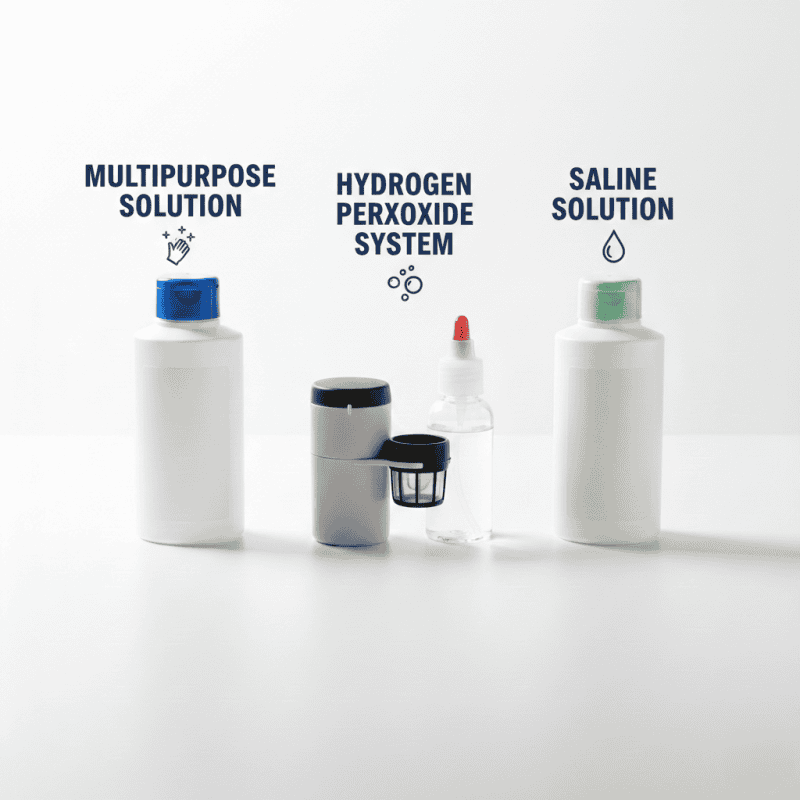
Understanding the three main types of solutions helps you choose the most appropriate one for your situation.
Multipurpose Solution
Multipurpose solution is the most commonly used type in Bangladesh and worldwide. It does everything in one bottle. You use it to clean, rinse, disinfect, and store your lenses. One bottle handles your entire lens care routine.
It’s convenient, relatively affordable, and works well for most contact lens wearers. However, standard multipurpose solutions vary significantly in their hydrating properties. Budget options might clean effectively, but do little to maintain lens moisture overnight.
For dry eye sufferers, premium multipurpose solutions with added hydrating agents are a much better choice than basic options. The price difference is usually not dramatic, but the comfort difference can be significant.
Multipurpose solution is the best solution for soft contact lenses in BD for everyday practical use because of its availability and convenience.
Hydrogen Peroxide Solution
Hydrogen peroxide solutions clean and disinfect lenses more thoroughly than multipurpose solutions. They’re excellent for people with allergies, protein sensitivity, or those who need deeper cleaning.
However, hydrogen peroxide solutions require a neutralization step. You place lenses in a special case with a neutralizing disc or tablet. The hydrogen peroxide converts to water over six to eight hours. This process cannot be rushed.
The critical warning: never put hydrogen peroxide solution directly in your eye. The neutralization must be complete before wearing lenses. Most systems have a clear indicator, like a color change, to show when neutralization is complete.
After neutralization, the solution is completely gentle with zero preservatives. Many dry eye sufferers actually find hydrogen peroxide systems the most comfortable option because the final neutralized solution is so pure. The downside is cost and the more involved routine.
In Bangladesh, hydrogen peroxide systems are less commonly available than multipurpose solutions but can be found at established optical stores and some pharmacies in larger cities.
Saline Solution
Saline solution is simply sterile salt water. It cannot clean or disinfect lenses on its own. It’s used primarily for rinsing lenses after cleaning with another product, or sometimes for rinsing your eyes.
Saline is gentle and preservative-free, making it soothing for very sensitive eyes. But it must be used alongside a proper disinfecting solution, not as a standalone lens care product.
Some people use saline for a final rinse before inserting lenses, which can feel more comfortable than inserting lenses that still have multipurpose solution coating them.
Saline vs Multipurpose Solution for Dry Eyes
This comparison comes up frequently, so let’s address it directly.
Saline solution is gentler because it contains no preservatives or cleaning agents. If your eyes react to preservatives in multipurpose solutions, a final rinse with saline before insertion can reduce irritation. However, saline alone cannot disinfect your lenses. You still need a disinfecting solution in your routine.
Multipurpose solution handles everything in one step. For dry eyes specifically, the quality of the multipurpose solution matters enormously. A moisturizing lens solution for dry eyes from a trusted brand will outperform basic saline-and-basic-disinfectant combinations in terms of hydration.
The practical recommendation for most people in Bangladesh: use a premium multipurpose solution with hydrating agents as your primary care system. If you still experience irritation, add a saline rinse as a final step before inserting lenses. If problems persist, consider switching to a hydrogen peroxide system.
Saline vs multipurpose solution for dry eyes isn’t really a competition. They serve different purposes. The better question is which multipurpose solution provides the best hydration for your specific lenses and eyes.
Best Solution for Soft Contact Lenses BD
Most contact lens wearers in Bangladesh use soft lenses, whether daily disposables or monthly lenses. Soft lenses are made from water-containing plastics (hydrogel or silicone hydrogel) that need to maintain their water content to stay comfortable and maintain their correct shape.
The best solution for soft contact lenses in BD needs to do two things well: clean and disinfect effectively, and support moisture retention overnight so lenses are fully hydrated when you put them in the next morning.
For silicone hydrogel lenses specifically, which include popular options like Trufresh Lens, solution compatibility matters. Some older multipurpose solutions weren’t formulated with silicone hydrogel in mind. Using incompatible solutions can cause a filmy, uncomfortable coating on silicone hydrogel lenses.
Check your lens brand’s recommendations. Most lens manufacturers specify compatible solution types on their packaging or websites. Following these recommendations prevents compatibility issues that contribute to dry, uncomfortable lens wear.
In Bangladesh, solutions from the same brand families as your lenses often work best. Bausch and Lomb lens solutions. Alcon lenses work well with Opti-Free products.
Best Eye Drops and Solution for Dry Contact Lenses
People often confuse lens solutions with eye drops. They serve different purposes, and understanding this distinction helps you manage dry eyes better.
Contact Lens Solution
Lens solution is for cleaning, disinfecting, and storing your lenses outside your eyes. You don’t put a multipurpose solution directly in your eye while wearing lenses. It’s used in your lens case during overnight storage.
Rewetting Drops
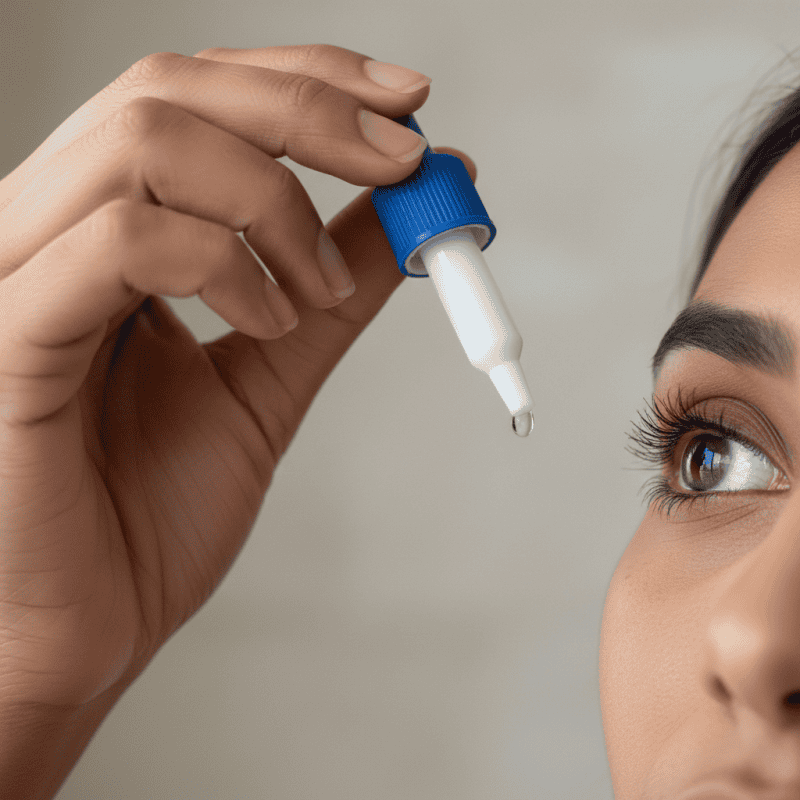
Rewetting drops, sometimes called lubricating drops or comfort drops, are designed to be used while you’re wearing lenses. They add moisture directly to your eye and lens surface, providing immediate relief from dryness during the day.
These are not regular eye drops. You need drops specifically labeled as safe for use with contact lenses. Regular eye drops, including most redness-relief drops, should not be used with contact lenses in your eyes unless specifically stated otherwise.
The best eye drops and solutions for dry contact lenses work as a team. A good storage solution hydrates lenses overnight. Rewetting drops maintain comfort during wear when you need extra moisture throughout the day.
In Bangladesh, contact lens-compatible rewetting drops are available at optical stores and pharmacies. Common options include Blink Contacts, Refresh Contacts, and similar products. A small bottle costs roughly 200 to 500 taka and is well worth the investment if you spend long hours in lenses.
Combining Both for Maximum Comfort
The most effective approach for dry eye sufferers combines a quality hydrating storage solution with contact lens-compatible rewetting drops. The solution maximizes overnight hydration. The drops provide on-demand comfort during the day. Together, they address dry eyes from both ends of the wearing experience.
How to Choose the Right Solution for Sensitive Eyes
If you have sensitive eyes, choosing your lens solution carefully is extra important. Here’s a simple guide to help.
Start by identifying your sensitivity. Do your eyes react to specific products? Have you noticed that certain solutions cause more irritation than others? If you’ve never tracked this, start paying attention.
Look for solutions specifically labeled for sensitive eyes. Contact lens solution for sensitive eyes typically contains gentler preservatives that break down on contact with your eye rather than accumulating over time.
Check for hyaluronic acid in the ingredients. This natural moisturizing agent is generally very well tolerated by sensitive eyes and provides excellent hydration. Hydrating contact lens solution in BD that contains hyaluronic acid is a good starting point for sensitive eye sufferers.
Consider hydrogen peroxide systems if multipurpose solutions continue to irritate. The preservative-free nature of properly neutralized hydrogen peroxide solution makes it the gentlest option available.
Avoid solutions with strong preservatives if you have a history of eye sensitivities or allergies. Look at ingredient lists and avoid products containing benzalkonium chloride if you’ve had reactions to it before.
Ask for professional guidance. Optical stores with trained staff can help identify which solutions might work best for your specific situation based on your lens type and eye characteristics.
Contact Lens Care Tips for Dry Eyes
Beyond solution choice, your daily habits significantly affect how comfortable your lenses feel.
Blink more consciously when using screens. It sounds simple, but setting a reminder to blink normally during screen time makes a real difference. The 20-20-20 rule helps too: every 20 minutes, look at something 20 feet away for 20 seconds. This gives your eyes a break and encourages natural blinking.
Drink more water throughout the day, especially during hot weather. Staying well hydrated helps your body maintain adequate tear production. Keep a water bottle at your study desk or workstation.
Give your eyes regular breaks from lenses. If you normally wear lenses all day, every day, try giving your eyes one lens-free day per week. Wearing glasses on those days lets your eyes fully recover and reduces cumulative dryness.
Never stretch monthly lenses beyond 30 days. Old lenses accumulate deposits that reduce moisture and increase friction. Fresh lenses feel noticeably more comfortable because the surface is clean and properly hydrated.
Use a fresh solution every time you store your lenses. Don’t top up the old solution in your case. Empty the case completely, rinse with fresh solution, and fill with new solution each time. The old solution loses its effectiveness and can harbor bacteria.
Replace your lens case regularly. Every one to three months is a good guideline. Cases collect bacteria and biofilm over time, even when rinsed regularly.
Reduce air conditioning exposure when possible. If you must work in heavily air-conditioned spaces, use rewetting drops more frequently and consider a small desktop humidifier to add moisture to the air around you.
Where to Buy Contact Lens Solution in Bangladesh
Knowing where to buy is as important as knowing what to buy.
Pharmacies
Many pharmacies in Dhaka and other major cities carry common contact lens solutions. Convenience is the main advantage. However, pharmacy staff typically don’t have optical expertise to advise you on which solution suits your specific lens type or dry eye situation.
Online Stores
Buying contact lens solution online in BD is convenient, and you can compare prices easily. Established e-commerce platforms carry genuine products from recognized brands.
The concern with online buying is storage and authenticity. Solutions stored in non-climate-controlled warehouses during Bangladesh’s summer heat might degrade. Buy from verified sellers with proper product information and check that products arrive sealed and within expiry dates.
Established Optical Stores
Established optical stores remain the most reliable source for lens solutions in Bangladesh. Staff at quality optical shops understand different solution types, their compatibility with various lens brands, and which formulas work best for dry or sensitive eyes.
Mehboob Optics is a good example of this kind of trusted optical store. Established in 1948 in Patuatuli by Maqsud Ahmed and later expanded with his son Zamir Ahmed to a Green Road branch in 1977, the business is now run by the fourth generation of the family. Their decades of experience with optical care mean their staff understands the practical side of contact lens care in Bangladesh’s specific climate and lifestyle context.
When you buy lens solution from an established optical store like this, you get more than a product. You get advice on whether your current solution suits your lenses and eyes, guidance on how to use it correctly, and someone to ask when you have concerns. That’s genuinely valuable, especially for people dealing with persistent dry eye issues.
Eye Clinics
For persistent or severe dry eye problems, visiting an eye clinic is worthwhile. Ophthalmologists can identify whether your dry eyes stem from a medical condition requiring treatment beyond better lens solutions. They can also recommend specific products based on clinical experience.

Common Mistakes People Make With Lens Solution
These mistakes are extremely common and contribute significantly to dry eye problems and eye health issues.
Using Tap Water
This is one of the most dangerous contact lens mistakes. Tap water in Bangladesh, like most countries, contains microorganisms, chlorine, and other contaminants that are harmful to contact lenses and eyes.
An organism called Acanthamoeba lives in tap water and can cause a very serious eye infection in contact lens wearers. This infection is painful and potentially vision-threatening.
Never rinse lenses with tap water. Never rinse your lens case with tap water. Always use fresh sterile lens solution for everything related to your lenses.
Topping Up Solution Instead of Replacing It
Many people add fresh solution to their case without emptying and cleaning it first. The old solution in the case contains bacteria and debris from your lenses. Topping it up dilutes the fresh solution’s disinfecting ability rather than replacing it.
Always empty your case. Rub the inside with a clean finger, rinse with fresh solution (not tap water), and let air dry briefly before refilling with completely fresh solution.
Using Expired Solution
Contact lens solutions have expiry dates for important reasons. The preservatives and disinfecting agents lose effectiveness over time. An expired solution might not properly disinfect your lenses, leaving them contaminated for next day’s wear.
Check expiry dates when buying and periodically check the bottle at home. Most solutions also have a recommended discard date after opening, usually 90 days. Mark the opening date on your bottle so you know when to replace it.
Mixing Different Solution Brands
Using leftover solution from one brand and topping up with another brand is a bad idea. Different solutions have different preservative systems that might not be compatible. Mixing can reduce effectiveness or cause unexpected reactions.
Finish one bottle before opening another. If switching brands, clean your lens case thoroughly before using the new solution.
Skipping the Rub Step
Many multipurpose solution labels now say “no rub required.” Research suggests that rubbing the lens with a few drops of solution before storing still removes more protein deposits and bacteria than simply rinsing. The “no rub” claim means you don’t have to rub, not that rubbing provides no benefit.
For dry eye sufferers, especially, thorough cleaning that removes deposits helps lenses feel fresher and more comfortable the next day.
Using Regular Eye Drops Instead of Lens-Compatible Drops
When eyes feel dry during lens wear, some people grab whatever eye drops are available. Regular redness-relief drops contain vasoconstrictors that are not safe to use with contact lenses in your eyes. Some regular drops can cause lens discoloration or deposit buildup.
Always use drops specifically labeled as safe for use with contact lenses when your eyes feel dry during wear.
Final Thoughts
Dry eyes while wearing contact lenses are frustrating, but the right solution makes a real difference. Start by choosing a hydrating formula with ingredients like hyaluronic acid. If your eyes are sensitive, look for preservative-free or gentle formula options. Add rewetting drops for extra comfort during long wearing hours.
Take care of the basics, too. Use fresh solution every night, replace your case regularly, and never use tap water near your lenses.
If dryness continues despite trying better solutions and improved habits, visit a trusted optical store or eye clinic for proper guidance. Experienced staff at established stores can help you find the right combination of lens and solution for your specific eyes.
The best contact lens solution for dry eyes is the one that keeps your lenses comfortable, your routine consistent, and your eyes healthy every single day.


